

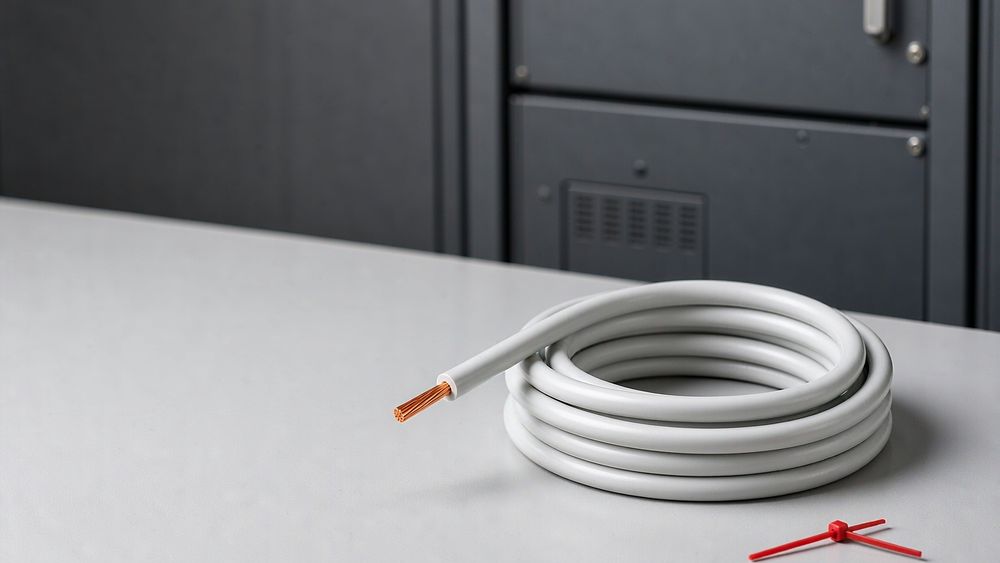


Choosing wire for a control panel involves more than matching a voltage rating. The temperature inside the enclosure, the space available for routing and the way the harness is installed all affect which insulation will work best. Low-smoke and halogen-free requirements add another set of checks.
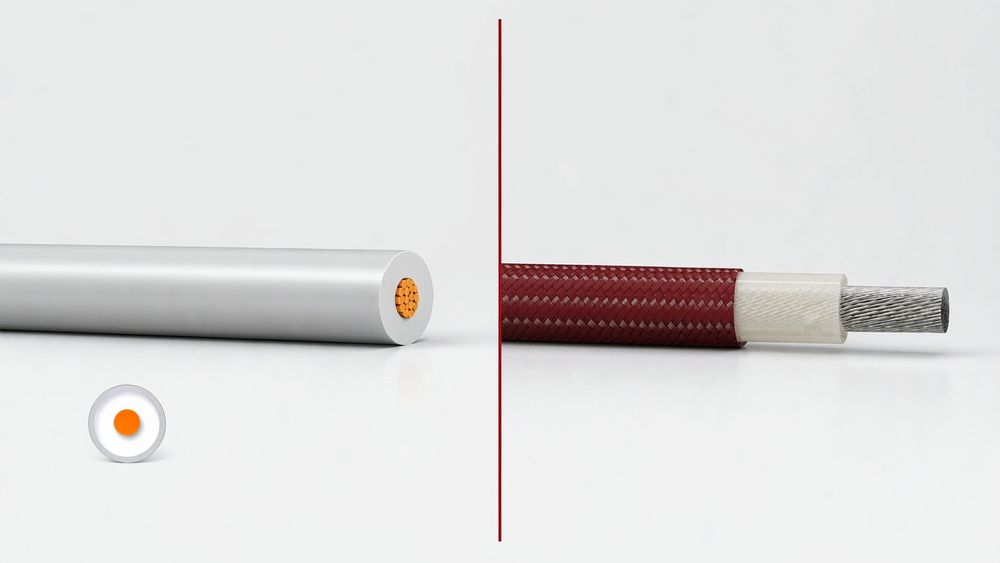
XLPE and silicone are both used for internal equipment wiring, but they suit different conditions. XLPE is often a practical choice for fixed wiring where a compact, relatively firm insulation is useful. Silicone is commonly considered for hotter locations or applications that need a softer, more flexible wire. The final choice depends on the rating and construction of the specific product.
Where UL3398 XLPE wire fits
In a control cabinet, much of the wiring stays in place once the panel is assembled. For these runs, heat resistance, insulation thickness and ease of termination may matter more than continuous flexibility. XLPE is well suited to this type of installation, provided the wire is protected from mechanical damage and used within its approved conditions.
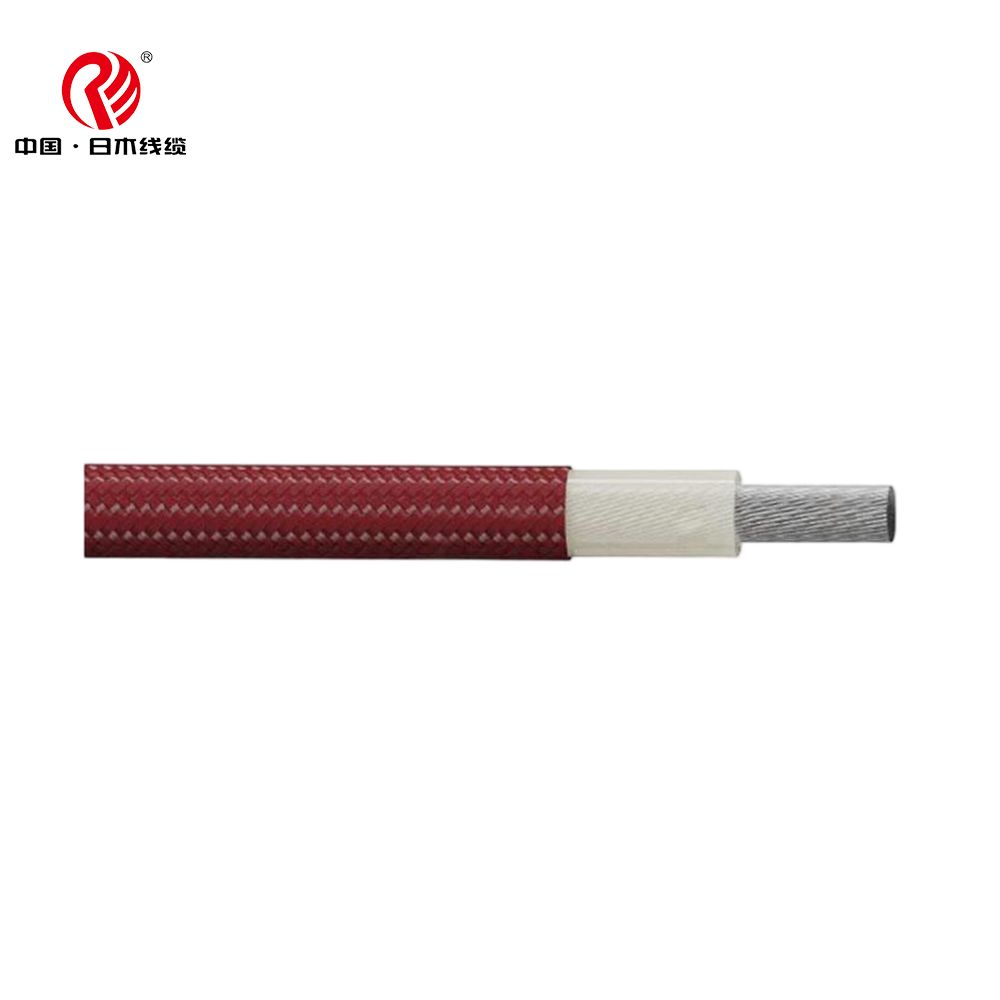
The RIMU CABLE UL3398 XLPE hook-up wire is presented as a 105°C, 300 V product. For a design using this wire, use the rating confirmed for the supplied part number. A higher temperature shown for another UL3398 product is not a reason to raise the operating limit of this one.
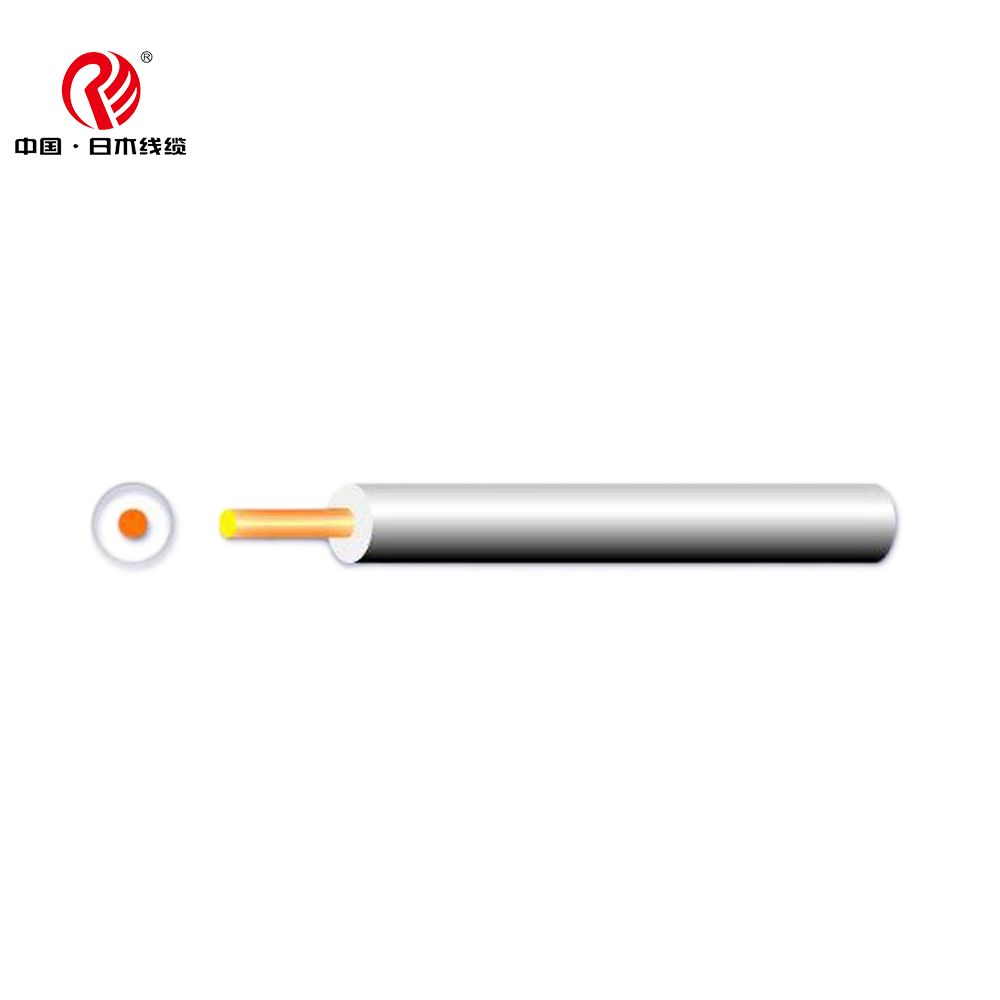
Before approving a wire, check the conductor size and stranding, insulation thickness, outside diameter, temperature and voltage ratings, and applicable flame classification. These details affect routing, terminal compatibility and stripping settings. Two wires described simply as “300 V AWM” may behave differently on the assembly line.
UL AWM Style 3398 identifies a wire construction; it does not, by itself, confirm a particular manufacturer's certification or establish low-smoke, halogen-free performance. Verify the manufacturer's UL recognition and the coverage for the proposed construction in UL Product iQ, then match those details to the product documentation and reel marking.
When silicone deserves a closer look
Wiring near heaters, ovens or other hot components may need a temperature rating beyond that of the selected XLPE product. A suitably rated silicone wire can be an option in these locations. Its softness can also help with installation where routing space is tight.
Flexibility during assembly, however, is different from durability under repeated movement. A harness on a moving door, robotic axis or cable carrier needs a construction qualified for that duty. Silicone insulation alone does not establish a flex-life rating; conductor stranding, bend radius, travel and mechanical protection also matter.
Cost comparisons should use equivalent conductor sizes, electrical ratings and supply conditions. Include cutting, stripping and termination in the comparison where those operations are part of the order. A sample run can reveal processing differences that a price per metre will not show.
Halogen-free and low-smoke are separate properties
Halogen-free wire does not automatically produce less smoke. The terms describe different aspects of combustion: halogen-related testing evaluates gas emissions, while smoke testing measures how much the smoke obscures light.
Both can matter inside an equipment enclosure. Combustion gases may damage nearby contacts and electronic components, while dense smoke creates a separate concern. A halogen-free declaration alone is therefore insufficient when the project also specifies low-smoke performance.
For a low-smoke, zero-halogen requirement, the relevant test methods commonly include:
IEC 60754-1: determination of halogen acid gas content from cable materials.
IEC 60754-2: assessment of the acidity and conductivity of gases from burning cable materials.
IEC 61034-2: measurement of smoke density from cables burning under defined conditions.
The acceptance criteria should come from the applicable product standard or project specification. Review the measured results and confirm that the reports cover the material or cable construction being supplied.
Flame performance needs a separate check as well. A VW-1 or FT2 claim does not establish low-smoke or halogen-free performance, and an LSZH description does not replace a required flame test. Likewise, UL recognition of a wire component does not mean the finished control panel is UL Listed.
Silicone compounds can also be halogen-free. Comparing “XLPE” with “LSZH silicone” by material name alone is therefore unhelpful. Compare the actual wire constructions, their operating limits and the evidence available for each.
What to include in the enquiry
A useful enquiry describes the installation as well as the wire. Include the expected temperature near the cable, conductor size, required length, routing conditions and destination market. State whether the harness remains fixed or moves during operation.
For approval, request the following information for the exact part number:
Conductor material, size and stranding, with insulation thickness and outside diameter.
Confirmed voltage and temperature ratings, plus the applicable UL file details.
Flame-test evidence required by the project.
Relevant halogen, acidity and smoke-test reports where LSZH performance is specified.
Reel identification and batch traceability information.
Check a sample with the intended terminals and stripping equipment before releasing a volume order. For repeat purchases, keep the approved construction on the drawing or purchase specification so that changes to dimensions, materials or ratings can be reviewed.
Questions buyers often ask
Can UL3398 wire replace silicone wire?
It can be considered where the selected wire's ratings and approved use meet the installation requirements. It is not a direct substitute for a higher-temperature silicone wire or a cable designed for continuous movement.
Does a halogen-free declaration cover low-smoke requirements?
No. If low-smoke performance is required, request the relevant smoke-test evidence in addition to the halogen-related documentation.
Which documents should accompany a quotation?
Ask for the product specification and applicable certification details first. Where the project requires LSZH or a particular flame classification, confirm the availability and scope of the supporting reports before approving the order.
For help selecting a RIMU CABLE product, send the operating temperature, conductor size, routing conditions and required approvals with your enquiry. Include any cutting, stripping or termination requirements so the quotation can cover the finished wire assembly.